By Jonathan E.
How dogs can help birds. More like hurt.
I learned that dogs can hurt birds. They usually hurt birds even though they are both pets living together. They usually show predatory instincts when they are near a bird. You should take your dog to the vet if they are showing predatory instincts to your bird. I have found out dogs hurt birds, not help them.
The safety of the bird and the prevention of an incident are enormous. Even if your dog is simply showing interest in your bird, rather than wanting to hurt your bird, he can still accidentally hurt your bird in play. Supervision and secure housing for the bird is a must. Your dog should be isolated from your bird. Dogs still show a bit of predatory instinct even if they are a house dog.
Bekker, M. (2013). "Can Dogs and Birds Live Together Safely?" http://www.vetstreet.com/our-pet-experts/can-dogs-and-birds-live-together-safely, April 23, 2013. Retrieved October 23, 2016.

Monday, October 24, 2016

Friday, October 21, 2016
Review of “Pets in the Classroom: The Difference They Can Make” by Ashlea Dancer
By: Mateo Byrd
Burch, M. R. (2003). Wanted!: Animal Volunteers. New York: Howell Book House.
Dancer, Ashlea, “Pets in the Classroom: The Difference They Can Make” (2012). Education Masters. Paper 252.
Eidietis, L., Gray, S., Riggs, L., West, B., and Coffman, M. (2007). Goodbye Critter Jitters. Science and Children, 45(1), 37-41
The Humane Society of the United States, (2009). “Is a Classroom Pet for You?”, Retrieved November 24, 2010 by the Author from http://wwww.humanesociety.org/parents_educators/classroom_pet.html
Meadan, H. & Jegatheesan, B. (2010) Classroom Pets and Young Children: Supporting Early Development. Young Children 65(3), 70-77
Owens, R. & Williams, N., (1995). A New Breed of Teacher’s Pet. Instructor, 90(2), 48-51, 54-55
Stone, B. (2010). Cockapoos in the Classroom: Providing Unique Learning Opportunities for Children With Autism. The Exceptional Parent, 40(5), 24-5.
Introduction
In 2012 Ashlea Dancer wrote a Masters Thesis about the benefits and concerns of pets in the classroom.Benefits
There are many benefits to having pets in the classroom.- The students learn how to work together. The classroom has to communicate and work together to help the pet. (Meadan & Jegatheesan, 2010)
- Having a pet creates a non-judgmental environment in which a student can talk freely. (Meadan & Jegatheesan, 2010)
- Students get an understanding of the needs of others. (Meadan & Jegatheesan, 2010; Brous, 2010).
- Students learn how to appropriately respond to the pet’s needs and behaviors. Students learn self-reliance and self-confidence. (Brous, 2010).
- Students learn to recognize the pets needs and take initiative to respond. Students will gain a sense of perspectives of others as they consider the feelings and situation of the pet. (Stone, 2010)
- Students learn self-monitoring skills. (Brous, 2010) Self-monitoring skills are when students monitor themselves and people around them for correct behavior. Animals can have a calming effect on a child. (Burch, 2003)
- Pets can be used in the curriculum to make learning more fun. (Meadan & Jegatheesan, 2010)
- Pets benefit all students, including those with disabilities. (Brous, 2010; Stone, 2010)
Potential Concerns
The teacher should be the main caretaker. Make sure the pet doesn’t escape. Make sure the students aren't allergic. (Owens & Williams, 1995) “To be a humane role model you must (1) consistently provide all the care the pet needs, (2) establish a classroom code of humane treatment, and (3) remain vigilant in detecting and preventing students’ over-handling, mistreatment, or theft of the animal. (Humane Society, 2009)Selecting an Appropriate Classroom Pet
School district and building policies control what teachers can do. Figure out all safety concerns such as:- Allergies
- In what situation it is prone to biting
- Age consideration
- No for kids under 5: (Meadan & Jegatheesan, 2010) Reptiles, Amphibians, Ducklings, Baby chicks,
- Salmonella considerations
- Hamsters, Reptiles (including turtles)
- No wild or exotic animals (even if found in pet stores) (Humane Society, 2009) For example: chinchillas, frogs, lizards, snakes, turtles Sleeping habits (Humane Society, 2009)
- Don't disturb nocturnal animals, For example: hamsters
- Rabbits are awake in the morning and evening and sleep during the day. (Humane Society, 2009)
- Need to Provide habitat
- Potential background noise during class
Pet Safety
Wear necessary protection and/or sanitary gear. Wash hands with soap and water before and after handling live specimen. (Edietis, Gray, Riggs, & Coffman, 2007, p. 37)Pets in the Curriculum
Having a pet can open opportunities to help students want to read and write. There are many books on animals. You can get them to write stories with the animal included. (Meaden & Jegathesan, 2010)Animal Assisted-Therapy
Several types of pets can be used in animal-assisted therapy. These include: Dogs, Cats, Horses, Farm Animals, and Small or Less Common AnimalsConclusion
There are many benefits to having a pet in the classroom. There are also concerns. You need the correct safety measures.Potential Project Ideas and Research Questions
- Do teachers understand the benefits of pets in the classroom?
- Would having pets in places inside the school but outside the classroom be beneficial?
- Principals office
- Entryway
- Cafeteria/ lunchroom
- Library
- Auditorium
- Hallways
- Office
- Nurse’s office
- Restroom
- Gym
- Science/ STEM lab
- Music room
- SPED room
- Art room
- Gifted room
- What are the School district and building policies about pets in the classroom?
- Why the under-5 age restrictions?
- What habitat and food needs do common class pets have?
- What are some appropriate, common class pets?
References
Brous, M. T. (2010). Integrating Pet Therapy Into Daily School Life. Exceptional Parent, 40(5), 20-21.Burch, M. R. (2003). Wanted!: Animal Volunteers. New York: Howell Book House.
Dancer, Ashlea, “Pets in the Classroom: The Difference They Can Make” (2012). Education Masters. Paper 252.
Eidietis, L., Gray, S., Riggs, L., West, B., and Coffman, M. (2007). Goodbye Critter Jitters. Science and Children, 45(1), 37-41
The Humane Society of the United States, (2009). “Is a Classroom Pet for You?”, Retrieved November 24, 2010 by the Author from http://wwww.humanesociety.org/parents_educators/classroom_pet.html
Meadan, H. & Jegatheesan, B. (2010) Classroom Pets and Young Children: Supporting Early Development. Young Children 65(3), 70-77
Owens, R. & Williams, N., (1995). A New Breed of Teacher’s Pet. Instructor, 90(2), 48-51, 54-55
Stone, B. (2010). Cockapoos in the Classroom: Providing Unique Learning Opportunities for Children With Autism. The Exceptional Parent, 40(5), 24-5.
Thursday, October 20, 2016
Stuffed Pets in the Classroom: An Interview with Julia B.
By Mateo B.
My sister Julia is in 1st grade. In their classroom they have a stuffed animal named "Buster" that is their class pet. I found this interesting because several classrooms have stuffed animal pets. I want to figure out if having a stuffed animal pet will have the same benefits as having a live classroom pet. According to my sister it is enjoyable to get to take care of the classroom pet.

Buster gets to go home with a student for three days. The student is chosen at random (names are on popsicle sticks in a cup.) The student is expected to create a fun activity to do with Buster at home. The student takes pictures and writes up the experience in a journal. The student can also draw pictures in the journal.
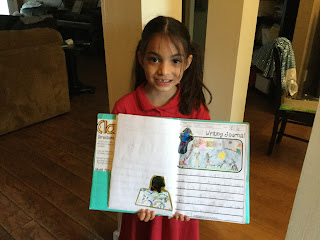

My sister Julia is in 1st grade. In their classroom they have a stuffed animal named "Buster" that is their class pet. I found this interesting because several classrooms have stuffed animal pets. I want to figure out if having a stuffed animal pet will have the same benefits as having a live classroom pet. According to my sister it is enjoyable to get to take care of the classroom pet.

Activities Done by the Class with Buster
Buster gets to go home with a student for three days. The student is chosen at random (names are on popsicle sticks in a cup.) The student is expected to create a fun activity to do with Buster at home. The student takes pictures and writes up the experience in a journal. The student can also draw pictures in the journal.

Research Questions
From this interview I have several more questions that would be good to pursue.- Would having a stuffed class pet be similar in benefits to a live pet?
- Is it as enjoyable to have a stuffed classroom pet?
- Would students from the different grades respond similarly to a stuffed classroom pet?
Reference
Byrd, M. (2016) "Stuffed Pets in the Classroom: An Interview with Julia B." Personal Notes. October 20th, 2016.Wednesday, October 19, 2016
Appreciation Game
By Aaron Byrd
I noticed that the students had a difficult time in the respect game. I realized that in large part this was because they were not attuned to recognizing situations to show respect. I adapted a couple of games/ice breaker activities to create a new game to help them get started with recognizing situation to show respect.
During this phase you'll notice that the team goes through all of the team building stages. Sometimes people want to be outside of the rug/playing area, where they can be outside of the group (forming). Sometime people try to do different activities with the ball, like throw it up in the air to themselves or for anyone to get (storming.) Sometimes they'll throw or bat the ball to each other instead of toss the ball (norming.) Once the team has successfully started all gently tossing the ball to each other they'll start to get more and more catches and they will enjoy the activity and cheer each other on (performing.)
At the beginning of this round it will be a struggle for the students to come up with things they appreciate. This is because they do not yet have the skills to recognize situations where others positively influence them. Playing this game periodically will help the team learn and recognize what others do for them and provide the personal motivation to be more respectful.

I noticed that the students had a difficult time in the respect game. I realized that in large part this was because they were not attuned to recognizing situations to show respect. I adapted a couple of games/ice breaker activities to create a new game to help them get started with recognizing situation to show respect.
Phase 1
Phase one of the game is to get the kids together on a mat and get them working together. They sit in a circle and gently toss a small ball around to each other. The goal is to simply get them working together on a simple task. The goal for this part of the phase is to have them count how many times they can toss the ball around without dropping it. They will naturally try to improve their team score by working together better as a team. Let this proceed for 5-15 minutes.During this phase you'll notice that the team goes through all of the team building stages. Sometimes people want to be outside of the rug/playing area, where they can be outside of the group (forming). Sometime people try to do different activities with the ball, like throw it up in the air to themselves or for anyone to get (storming.) Sometimes they'll throw or bat the ball to each other instead of toss the ball (norming.) Once the team has successfully started all gently tossing the ball to each other they'll start to get more and more catches and they will enjoy the activity and cheer each other on (performing.)
Phase 2
Now that the team has experienced the whole team building process in one short activity and has come together to successfully trust each other and perform as a team you can move on to phase 2. Phase 2 involves a different game but is played in a similar manner to the first. In this phase, when someone catches the ball they need to state something they appreciate about the person that just tossed the ball. They will find this very challenging. There are two rules. First, the statements must begin with "I appreciate..." Second, the statements must be about something the person has done, not about the way they look or things they have. As a coach your goal is to get them to relate actions in another person to feelings in response to those actions. The students will need help understanding the difference between "I appreciate" and "I like". It will help the team if you as a coach helps the students rephrase their words to fit the mold.At the beginning of this round it will be a struggle for the students to come up with things they appreciate. This is because they do not yet have the skills to recognize situations where others positively influence them. Playing this game periodically will help the team learn and recognize what others do for them and provide the personal motivation to be more respectful.

Research Areas
There are several areas of research students can look at. It is helpful to explain these areas and help them understand the differences.
Newspapers
Magazines
Blogs
Online News Outlets
Animal Shelter Employees
Wildlife Management Professionals
Teachers at school
Government Biologists
Animal Therapists
Government data websites
Government-produced technical materials. For example, the ERDC Library will have a wide range of subject areas.
Academic Thesis and Dissertations. These are usually found via school library websites or googling.
Academic Journals. Researchers will publish articles on their work in journals.
Books from a library, either school or city library
Textbooks that cover some particular topic
Periodicals
Periodicals are anything that is periodically created. Examples include:Professionals and Personal Interviews
These interviews can be professional sources who spend time researching or solving similar problems, or simply people who are involved with the issue somehow. Here are some examples for the Animal Adventures theme this year:Academic and Government Sources
There are a wide range of Academic and Government sources, but these are often written at a very high technical level.Books and Textbooks
This category includes sources that cover topical areas that are produced once. Examples:Monday, October 17, 2016
Inclusion
By: Stella E
One of our core values is to include everyone in all of our goals and acomplishments . For example, we make sure everyone has a role in the team.Some of these roles include, time keeper, team captain, programmer, runner, core values leader, project manager, etc. That was just an example there are many more ways to use inclusion.
One of our core values is to include everyone in all of our goals and acomplishments . For example, we make sure everyone has a role in the team.Some of these roles include, time keeper, team captain, programmer, runner, core values leader, project manager, etc. That was just an example there are many more ways to use inclusion.
Review of "My First Guide To Robots" by Katherine Clay
By Donovan B.
Factories began using robots in the 1960s. Unimate was a big robotic arm. The robot stacked metal plates in a car factory.
FUN FACT:A robot named Smart Restaurant chops onions and tomatoes. Then it helps build up to 360 burgers per hour.
Introduction
This book is about robots. It talks about some of the history of robots and what they can do.History of Robots
the word "Robot" was not created until 1920. In 1920 Karel Capek wrote about machines that acted like humans. He called them robota,which means “worker” in the Czech language.Factories began using robots in the 1960s. Unimate was a big robotic arm. The robot stacked metal plates in a car factory.
Examples of Robots
Today factory robots can do many more advanced jobs.Some robots use tiny”fingers” to tighten bolts and fix computer parts. Robots are not limited to factory work. Robots on farms can feed and milk cows. AgAnts are small robots that work in fields. Groups of AgAnts swarm together to pull out weeds.FUN FACT:A robot named Smart Restaurant chops onions and tomatoes. Then it helps build up to 360 burgers per hour.
Conclusion
Robots are used for many jobs that they can do better than humans. For example, things that need to be done over and over again.References
Clay, K. (2015) "My Guide to Robots". Capstone Press, North Mankato, Minnesota
Subscribe to:
Posts (Atom)